Leaking Fridge Seal: Causes, Fixes & Replacement Guide (Aussie Guide)
Table of Contents
ToggleLeaking Fridge Seal: Complete Guide to Causes, Fixes, and When to Replace
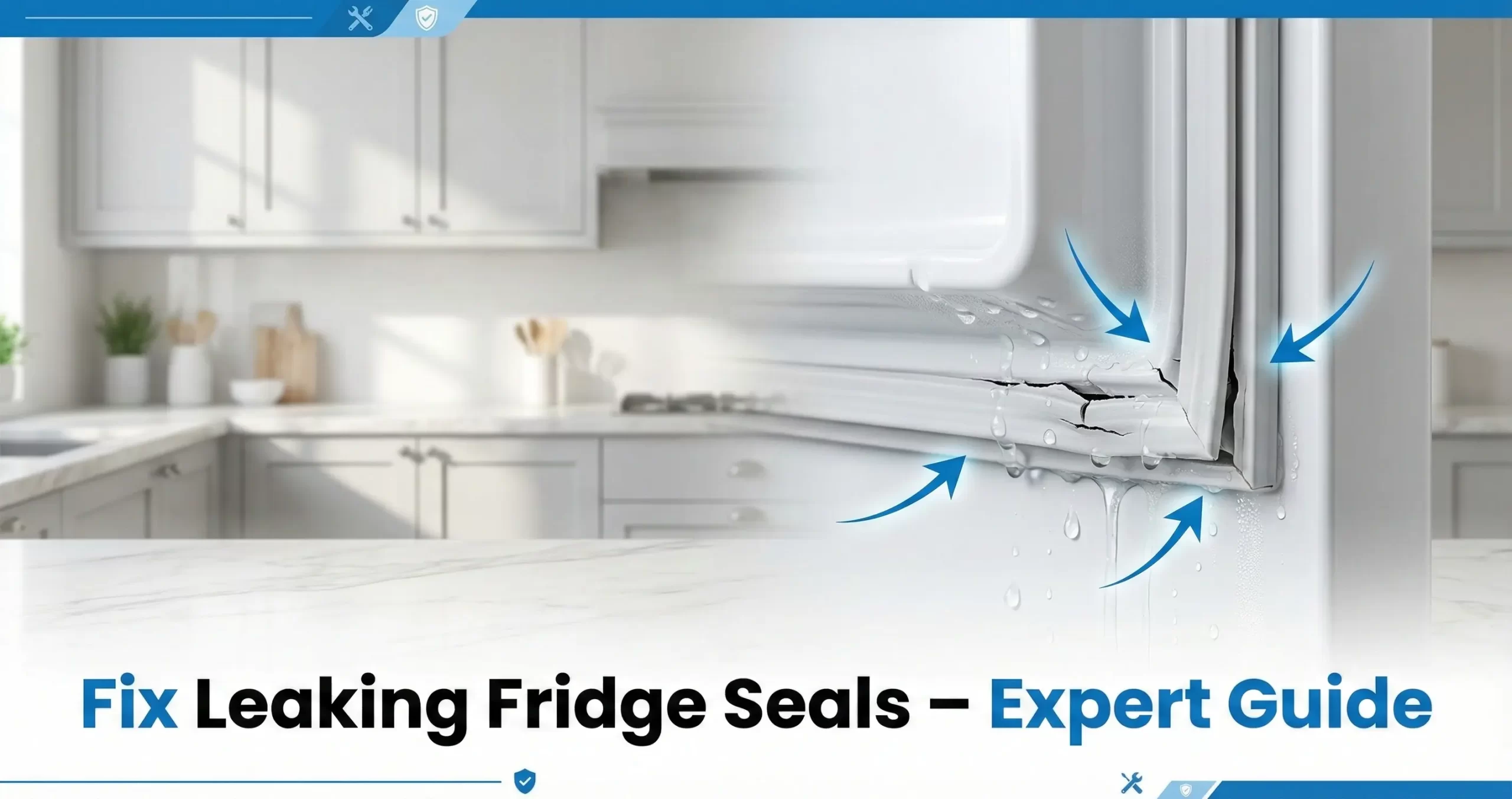
If you’ve noticed water pooling inside your fridge, moisture under the crisper drawers, or cold air leaking from around the door, the most common cause is a worn or damaged fridge door seal. This guide shows you exactly how to diagnose the problem, fix it, and know when replacement is the best option.
Airtight Fridge Seals manufactures Australian-made replacement seals for almost all domestic and commercial fridges, with fast nationwide shipping.
What Is a Leaking Fridge Seal?
A fridge seal leak happens when warm air enters the refrigerator through gaps in the gasket. When the seal no longer sits flat or loses magnetic strength, the fridge struggles to maintain temperature, causing condensation, water buildup, and increased energy use.
- Water inside the fridge or under drawers
- Moisture on shelves or rear wall
- Food spoiling faster
- Compressor running constantly
- Visible gaps between door and cabinet
Main Causes of a Leaking Fridge Seal
Almost all leaks trace back to one of these issues:
1. Worn or cracked seal
Over time, PVC hardens, cracks, or splits — creating tiny gaps that let warm air in.
2. Weak magnet
If the magnetic strip inside the seal loses strength, the door won’t stay fully closed.
3. Dirty or greasy seal
Dirt can lift the seal away from the surface, preventing full contact.
4. Warped door or loose hinges
Even a great seal leaks if the door isn’t aligned.
5. Incorrectly fitted or cheap aftermarket seals
Poor-quality seals or incorrect sizes create uneven pressure and constant leaks.
How to Diagnose a Leaking Fridge Seal (Home Test)
1. Paper Test
Close the door on a piece of paper. If the paper slides out easily, the seal isn’t gripping properly.
2. Light Test
Turn off the lights and look for light bleeding through the gasket edges. Any visible glow indicates a leak.
3. Gap Inspection
Run your hand around the seal while the door is shut. If you feel cold air escaping, there’s a gap.
4. Check for compression marks
If the seal looks flat or crushed in certain areas, it is no longer sealing correctly.
How to Fix a Leaking Fridge Seal (Step-by-Step)
Some leaks can be fixed easily. Others require seal replacement. Start with these steps:
1. Clean the Seal Thoroughly
Use warm soapy water to remove grease, crumbs, and debris. Dirt is the number one cause of minor leaks.
2. Warm and Reshape the Seal
Use a hairdryer to gently warm the PVC. This softens the material and helps it reform into shape. This only works for minor warping.
3. Check Door Alignment
- Ensure the door sits level
- Check for loose hinges
- Make sure shelves or items are not pushing the door out
4. Inspect Magnet Strength
If the magnet inside the seal is weak, no repair will fix it — replacement is required.
5. Replace If the Seal Is Damaged
Cracks, splits, weak magnets and aged PVC cannot be repaired. The most reliable fix is installing a new, high-quality seal.
If you’re unsure what type of replacement seal your fridge requires, see our complete guide to fridge seal types for a simple breakdown of magnetic, aftermarket, universal and heavy-duty seals.
When You Should Replace the Seal
Replace the seal immediately if:
- There are visible cracks, tears or gaps
- The door won’t stay closed unless pushed
- The magnet no longer grips
- Condensation keeps building up
- You notice water pooling regularly
Most fridge seals last 5 to 10 years depending on usage and climate.
Why Aftermarket Seals Are the Best Option
A high-quality aftermarket seal performs extremely well as long as it is manufactured to the correct size. In many cases, a well-made aftermarket seal can outperform older OEM seals due to fresh PVC and strong magnetic grip.
- More affordable than OEM
- Custom-made for a perfect fit
- Fast manufacturing and express delivery
- Australian-made PVC lasts longer
Frequently Asked Questions
Why is my fridge leaking inside?
Most internal leaks happen because warm air enters through a damaged seal, causing excess condensation.
Can I fix a leaking seal myself?
Minor warping can sometimes be fixed with cleaning or warming the seal. Cracked or weak seals must be replaced.
How do I know if the magnet is weak?
If the door doesn’t snap shut or the paper test fails around the seal, the magnet is failing.
What seal type is best for preventing leaks?
A high-quality custom-made aftermarket magnetic seal provides strong insulation and grip.
Need a Replacement Fridge Seal?
Airtight Fridge Seals manufactures Australian-made, custom-sized seals for almost every fridge model. Order online today with fast, free express shipping.